Ryan Cassata
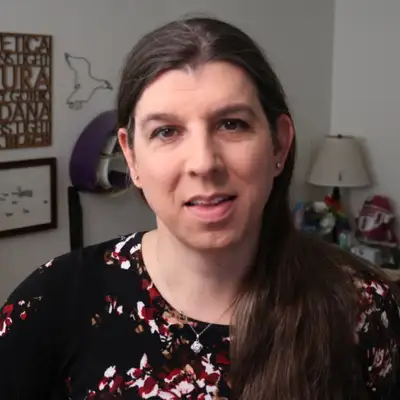
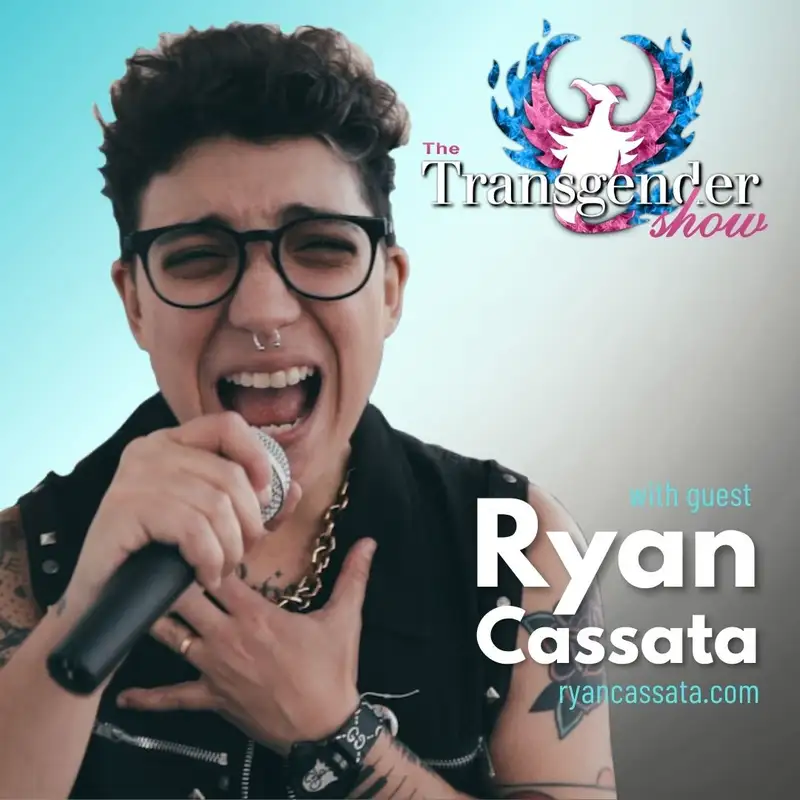
Download MP3From the Transverse Network, this is the transgender show, an interview program about self acceptance and discovery. I'm your host, Emily. This week on the show is Ryan Casada, award winning singer, songwriter, actor, writer, motivational speaker, and LGBTQ plus activist. Everyone, welcome to the show. Ryan.
Ryan:Hi, everyone. I'm glad to be here.
Emily:You were out at a very early age and were a very early pioneer in that in a way because, you know, you were picked up on the media and made early early appearances on Larry King and Tyra Banks. What was what was the early stage for you like? Like, how far before you started before you showed up on these shows did you start your transition?
Ryan:It's a hard question to answer, but I started I started my whole coming out journey when I was 12 years old. First, realizing my sexuality as bisexual was the first thing I I noticed. And then when I was 13, I started to realize, oh, I'm I'm transgender. And then, after meeting another trans guy, that's how I've got the words to knowing, like, what trans is. That was, like, a, like, a week after I turned 14 or something.
Ryan:So, I started coming out at that time. And, I mean, it was only a few months before I was out to my my family and all of my friends. And by the time I went on Larry King live show, that was when everybody knew in in the whole world because that was international. So
Emily:That's a a pretty big coming out. How did that come about? How did you ball on the radar of the Larry King show?
Ryan:Yeah. When I was 13, I got sent to the Long Island's Gay And Lesbian Youth Center because I was getting bullied in school really badly. I I got involved with the the Safe Schools team at that center, which was a team of youth activists. And I I joined that team, and I started speaking at schools and conventions and different different events. One of those events was this, really fancy party in the Hamptons.
Ryan:Not really my style, but they asked me to be the keynote speaker. And I was I was 13 years old. So from there, I got written up in GO magazine, the the lesbian magazine. And then from there, other the TV producers found me and stuff. So it all just went went from like that from doing my actives activism career really young.
Emily:Wow. What a what a quick turnaround, and what a kind of whirlwind. Now I find I mean, for me personally, it's taken me a very long time to find confidence in myself and in my identity and to be able to share that with others and especially to be able to advocate for myself in conversations with family and in, you know, coming out at work and things like that. How how much did you struggle with that at that early age or was it something you were really confident in from the start?
Ryan:I was really confident in who I was. Like, I knew myself really well and like, I've always known myself really well, especially with, like, sexuality and gender stuff. So I was very sure of who I was, and I was also, like, a I was, a rebel. Like, I was I I grew up raised on punk rock, and I think that has a lot to do with, me being like, no. I'm just gonna do it my way.
Ryan:You know? Like, that vibe and just, like, getting to come out as a teenager and just have that, like, that that feeling of, like, I'm invincible because because I'm a teenager. You know? Like, that vibe also, like, really went into it. I think I didn't realize, like, how dangerous being trans is or or being queer in general.
Ryan:Like, I didn't know it was it was dangerous to be out until Lawrence King was killed in in his middle school in their middle school. And I went to the vigil, and that, like, shook me, and I realized, like, oh, like, people want us dead for for being ourselves. And that was that was definitely a wake up call for me. Yeah. So but but I always was like, I'm I'm just gonna be who I am regardless.
Emily:Yeah. That's amazing that you had that built in and I love that, like, you were saying that you had that kind of teenage, I'm invincible, whatever, I can do this and I can just, you know, be me. It sounds like you had the the support of your parents. Is is that true? I mean, you know, were they the ones that helped you move in to that LGBT center?
Ryan:No. My parents actually weren't supportive at all at first. It took my mom about a year to accept me, which isn't that long, so I was lucky for that. And my dad, he did not accept me until I I graduated high school. About, like, six months after I graduated high school, he started to accept me.
Ryan:So the entire time I was in high school, it was, like, really, really difficult because my dad was not only was he, like, not accepting, he was just like, my brothers would call me Ryan and use he, him pronouns, and my dad would be like, don't call her that. Like and now, like, both of my parents are really, really accepting and and have been for a very long time. So I don't even, like, associate them with, like, who they were before. But yeah. So my brothers were, like, really supportive of me from the start.
Ryan:And at that LGBT center, I made friends who I still have to this day, my friends Fran and Greg. I met them when I was 13 years old. I'm still very close with them, but they carried me through a lot of that time. They were a few years older than me, and I was just like the baby queer that they were, like, protecting and and guiding, and I feel so lucky for for that.
Emily:One of the biggest things we see these days in anti LGBT sentiment and anti LGBT legislation specifically is stuff barring youth from accessing trans health care. And I know, you know, your parents weren't accepting at first. So starting with your parents first, what kind of advice do you have for getting them on board? Was there something specific you were able to do, or do you think it was just a matter of time and patience and the, you know, the fact that you had the support of your brothers?
Ryan:Yeah. Well, my parents like, looking back on it and, like, talking about it now with my parents, my parents tell me that every time they would, like, misgender me or call me the wrong name or or say or do something that was transphobic, I was extremely patient with them, and I was always very polite with my parents. So I would, like, gently correct them, and I would sit them down, and I would show them YouTube videos of, like, older trans guys doing cool things out in the world. And I always chose to just educate instead of, like, be a fighter either with, like, arguing or violence. Like, I wasn't trying to do any of that.
Ryan:And my my parents told me that, I didn't really have any of that teenage angst. Like, I never, like, hated my parents or anything. I just I somehow, I had an understanding. Like like, no. They they love me.
Ryan:Like, I knew they loved me, but I but I knew, like, they just don't understand. Like, what can I do to make them understand? And, eventually, they they started to understand, and getting them on board supporting me was really essential to have, especially those last couple years of being a teenager and then through my twenties.
Emily:Mhmm. Yeah. And one of the big things that can be a struggle for parents is, you know, they're they're afraid for you, and they don't want you to go down this path because it you know, a lot of us just kinda sense that it is gonna put you in danger and parents don't want you to to go down a path that's gonna put you in danger. And I find that for both trans people and for people like parents and family, being able to find them examples like you did of elder people who have survived it, who have been able to have successful lives after transition can be really important.
Ryan:Yeah. Definitely.
Emily:What other what other kind of advice or what sort of things are you working on specifically for people to be able to push back against this idea that trans youth are are too young to understand, you know well, basically, the first the first argument is they're too young to make permanent decisions about their body. And then in that conversation also, you'll hear things come up about, you know, they they don't know themselves that well and and yada yada. What are what are some of the pushback that you have for that?
Ryan:Yeah. I mean, I really just I like to share my own story because I am an example of a trans kid that knew exactly who he was. And, like, I knew I wanted top surgery at 14, and I'm 30 now. Like, I I had to wait till I was 18 to get my surgery because my my dad made me wait until I was 18, and I I got it, like, two weeks after I turned 18. But I knew that I wanted that surgery when I was 14.
Ryan:I was 100% sure about it. And I that was twelve years ago, almost thirteen years ago, and I've I've never had a a regret in my entire life. Like, in those last thirteen years, I've never had a regret. I've never questioned, like, my transition at all. Like, I've like, I I was a trans kid, and and I was very sure of myself like like most trans people are.
Ryan:You know? Like, I I feel like we realize this thing about ourselves. Like, I think that means that we are more self reflective. We have a better understanding of who we are, And that doesn't matter if you're six years old or 13 years old or 30 years old. Like, we know.
Ryan:You know? And it's about getting the rest of society to understand that. And I I do wish that I got my surgery six months earlier, but I that wasn't available for me because my parents were not accepting even though I had, like, the gender therapist sign off and the surgeon was cool with it. Like, yeah, I had to wait. And I think it is important to go through the process, and it it it was important essentially for me to end up having my parents' support.
Ryan:My dad actually started to really accept me when he came out to San Francisco to care for me when I had my top surgery. And I did need that parental support and was grateful I had it, and that's a luxury that most trans people do not have. So, yeah, it can't really be up to the parents, but I think it is important to have an adult that really understands you, like, to talk through it with because regardless, like, if you do get a surgery, any type of surgery, it's a trauma that your body is going through. And I think it's important to be mentally prepared for what that's gonna be like and what your expectations are and just be realistic about everything involved with it.
Emily:Mhmm.
Ryan:Regardless of trans stuff. Like, that's that's everyone should get that.
Emily:On on the sort of the the opposite side, the the the opposition to allowing trans youth to make their own decisions, Have you talked to a lot of people who were staunchly opposed to allowing youth to have access to care, or have you specifically, have you talked to anybody who thought they were trans, wanted to go down the road, and then changed their mind later, had regrets, anything like that?
Ryan:Yeah. I've definitely talked to a lot of people that are against transitioning, and they're against transitioning altogether. They do not like trans people. And then they're like, oh, the these kids shouldn't transition. It's like, it's not really about surgeries or people changing.
Ryan:They just don't want trans people in existence at all. You know? Like, it doesn't actually have to do with surgery or hormones. Like, they are obsessed with the idea of erasing trans people. Like and that's what I've noticed because they don't want me to be trans either, and I'm 30.
Ryan:You know? And they they message me like, oh, you must really regret, like, the mutilation you've done to your body. And I'm like, no. Actually, I don't at all. Like so yeah, so yeah.
Ryan:And I've known a couple people that have, like, tried out transitioning and seeing how it feels for them and and realized it's not for them. But more often than not, like, I most people follow through. I mean, at, like, 99% follow through. Like, I've met hundreds and hundreds of trans people, probably thousands at this point. And, like, there's only a handful of people that I've known that have decided, oh, no.
Ryan:And a few of those people, like, have opened up to me, like, saying, my parents, they're never going to accept me like this. I can't do it. And, like, that's that's one of the big reasons. Like, society's disapproval with trans people is one of, like, the big reasons that trans people end up detransitioning or deciding, like, oh, I can't do this. And then there's been there's one person I know that was, like, decided, no.
Ryan:I can't do this. Not enough acceptance. And then, like, ten years later decided, alright. I'm gonna come out now Mhmm. Again.
Ryan:And and, you know, and now I was, like, really happy. So it's a process for everyone. And, unfortunately, like, for a lot of us, we depend on support from the people around us. And if you're not getting any support at all, like, that makes it so much more difficult to come out and be out and get to transition and everything. Like, transitioning at all is is a privilege, and transitioning medically is an even greater privilege.
Emily:Mhmm. But still, I think it's important to note that even pushing back against someone who's trans, getting the to hold off or or whatever isn't going to change the fact that they're trans, or is it gonna stop their transition most of the time? Usually, at some point, they are going to transition because it is who they are. And, yeah, it's just important to remember that, like, no matter how much you push back on somebody who is trans, you're not gonna change who they are.
Ryan:Yeah.
Emily:Again, sort of a a devil's advocate question. You know, I feel like there aren't a lot of people on the trans side actually advocating by any means for for gender affirming surgeries under the age of 18. And, of course, that's the big boogeyman that that people who are anti trans cite. And I have kind of adopted the idea of, like, it it would be okay if there was a ban on gender affirming surgeries at the age of until the age of 18 as long as people had access definitely to therapy for it, you know, and and gender affirming therapy and then hormone treatment if they wanted to go down that route. And I I I feel like in in my naive and Pollyanna ish way that that would just kind of ease some of the tension about this and and lighten up on on all of the the advocacy advocacy against trans people.
Emily:Now given what you just said that the people you've talked to just basically don't like trans people at all, that's where they're coming from, it's not really about youth, do you think something like that would would have legs and would be something that would be helpful for the trans community to put this barrier up that we agree on for the surgeries, but then allow the the other aspects of care much earlier?
Ryan:Yeah. Honestly, I don't think the the transphobes will change their mind about it. Like, they're they're still they're gonna find something else to be mad about. They're gonna be like like, first, they're gonna come for trans kids because that's, like, a more vulnerable population of trans people. And then they're gonna be like, well, we don't want the adults transitioning either.
Ryan:You know? Like, I that's how I feel like they're gonna be like.
Emily:Yeah.
Ryan:So I don't think there's any winning with them. Like, and I don't I also don't wanna negotiate with them either. Like, let's just exist and do our thing and, like, do what's good for each individual. And, you know, that's that's that. Like, there's no way to to be like, oh, all kids shouldn't transition or all kids should transition.
Ryan:Like, there's no way to say that. Like, it's so individual for each person.
Emily:Do you feel like being forced to wait until 18 to get your surgery affected you negatively? Was it detrimental to your development?
Ryan:Yeah. Growing up, like, I was very, very sure of myself. And then I know I wanted top surgery, and I was wearing the chest binder. But it was it was really difficult, like, just trying to blend in. Like, I would go to summer camp, and I like, I didn't want anyone to know that I had any chest whatsoever.
Ryan:So, like, I would just wear a ton of clothes, and it was horrible in the summer, like, really bad. Really, like, just unsafe. And I would wear wear the binder for so long that my my ribs would hurt so bad. Like, I still remember, like, the the burning sharp pain that I would feel in my ribs and my shoulders by the end of the day from wearing the binder. And then, like, when I was 17, it it was it was rough, like, when my my dad canceled my surgery, and I had to wait, like, six more months until I turned 18.
Ryan:And, yeah, I my mental health was was doing really, really bad because of having to wait. So I would have had relief six months sooner, which, you know, I might have just had an easier time, probably. Like, I would have just had an easier time for sure.
Emily:So my first exposure to you was the song that you wrote titled Daughter that is sort of a love letter to your dad and and a, you know, it's it's gonna be okay. You know, the the key lyric in the chorus there is, I didn't change who I am. I've always been a man. Still, it changed your world, but dad, I'll always be your little girl. When did you write that?
Emily:When did you basically deliver that to him? And was it after was it after he'd already begun to accept you, or did that help kinda push him over that edge?
Ryan:Yeah. So at the point that I wrote the song, that was in 2017. So there's, like, a solid five years of my dad accepting me at that point. Mhmm. And I I wrote that song so quickly.
Ryan:I had no idea that I was gonna write that song. I was, like, I was not thinking about, like, my teenage experience or anything or how it was with my dad. But I I just I just wrote it really quickly, like, in less than ten minutes and, like, the entire song start to finish and just recorded a little demo of it on my on my I iPhone. And I sent it to my dad not realizing, like, it was so emotional. And he, like, listened to it while he was at work and cried.
Ryan:And the song brought us together, and it helped so many people that it made the five years of struggle with my dad worth it for both of us. Like, my dad had a lot of regret about how he he was when I when I first came out for those first few years. And it it just it it made us realize, like, oh, everything that we went through together and all of the tension and everything, like, it it all needed to happen so that I could write that song and so that I could help all of these other people that are struggling. And it's it's not just trans youth that have, like, written to me, but, like, parents too. Just saying, like, this is why I changed my mind and I accept my kid now.
Ryan:So it's like, all that struggle I went through, it just it just made it it all worth it. And my dad and I are extremely close. Like, we talk on the phone almost every single day. I have an incredible relationship with him that I never thought that I that I would get. So I just feel really, really blessed for for that and for my dad.
Ryan:Mhmm.
Emily:How has that song and the sentiment of it aged for you? I I I find it kind of an interesting thing as a as a trans person who is fighting for my identity as a trans woman and trying to kind of, you know, get away from my my past identity, especially with people that, you know, cling to it parents and and relatives, things like that. How does that does that sentiment of of essentially sort of in a way kinda misgendering yourself, you know, sort of? How how does that feel after all this time?
Ryan:Yeah. For me, like, it the lyrics don't feel like misgendering myself because it's more of a metaphor. Like, I'm not saying that I'm a girl, and my my parents definitely don't see me as a girl. But it's it's a metaphor to just tell tell my dad, like, no. I'm I'm the same person.
Ryan:I'm still your child. Like, I I'm the same person that I've always been. I have the same personality. I have the same smile. I like all the same things.
Ryan:Like, the only thing that's changed about me is is my name and my pronouns. And, like, everything else about me is is the is the same, and I'm still alive. And I'm still very much so your child and and want to be. And, like, that's what that's what the song really means. Like, I I definitely don't, like, consider myself a girl at all, and I don't relate to that that that term at all.
Ryan:But in a sense as a metaphor, like, yeah, I'm I'm my father's child, and my I have two brothers, and my parents' my dad's relationship with my brothers is definitely different than he is with me. My dad's a lot gentler with me, and he's also there's some things that, like, we decided, like, we're okay. Like, my dad still gets me a Valentine every year, and he he did from, like, I from when I was a little kid, and I love it. You know? And it doesn't to me, like, he he's so accepting of my transness and, like, knows all the terminology and everything.
Ryan:Right? He's an incredible ally. So, like, he's when when I'm receiving this gift, I know that I'm not receiving a gift of, like, I'm giving this to you because you're my you're still my daughter because that's, like, not what it is. Like, I'm just receiving his love, and that's it. You know?
Ryan:And it's it's that simple. And it so I so I am like, I like it. You know? So it's like, I don't have to, like, gender all of those things, and maybe I would have felt bad about it when I was younger. But, you know, I don't know.
Ryan:My dad's sending me a box of chocolate in the mail, like, it doesn't offend me. And, like, the ways he treats me different differently than my brother's doesn't offend me. Like, I know it's just all it's all love, and it's all natural, and it's fine.
Emily:Again, that's such a good point that the the relationship doesn't have to change. The the core of who we are as people, the love that we have for our parents and our parents have for us doesn't have to change. You know, we there are some differences. There are some things that are different about us afterwards. But for the most part, yeah, I love that message that we're still that same child that you spent all that time bringing up and protecting and keeping alive and keeping out of trouble as much as you could.
Emily:Yeah. So what are some of the big things that you're working on now, you know, in in both your music and your public speaking and your activism? What are what are kind of the main areas of focus?
Ryan:Yeah. Well, I the the biggest thing I'm working on in my, like, entire life is definitely my health right now because it I'm I'm not doing great. And I have Lyme disease, coinfections, and it's been a nightmare situation since October. And, I've I haven't been able to tour as as not nearly as much as I did, like, last year. So that's been a bummer for me, but I'm still doing as many shows as I can because it's my passion, and it's it's it's my life, you know, and that's what I wanna do.
Ryan:So so I'm I'm still booking shows and taking any opportunities, And I am I finished writing my next album, and I'm just waiting to record. So that will be, like, my next big project. And as far as activism stuff goes, I am helping the Queer Youth Assembly plan the National Queer Unity March in DC, and that will be on October 11. So I'm really excited about that. And, yeah, I I just like, that's that's also just a huge passion for me as much as music is, like activism work, and it's something that really keeps me inspired and keeps me feeling alive because there's just so much passion and and purpose in it.
Ryan:So, yeah, I'm I'm excited about everything I am working on. There's a lot more things that I wanna work on, but I I don't have the time right now because of because of my health mostly. But, hopefully, by next year, it'll be a different story, and I could go back to being a workaholic.
Emily:Where's the best place for people to find out about to find out information about the Unity March?
Ryan:Yeah. Instagram is is a good place. You could look up Queer Unity March or Queer Youth Assembly, and I also post it on my page. It's also on my website, ryancasado.com/tour, so you can find it there as well. But it's gonna be a real special event.
Emily:And is that I didn't detect anything about age in there. That's open to queers of all ages?
Ryan:Yeah. It's for everyone. It's for the whole community, allies as well. It it's outside. There's no tickets or anything.
Ryan:It's a free event. So we're hoping as many people make their way to DC as possible.
Emily:What are some of the logistics on that that you're working on? Are there, is there a lot I'm I'm assuming that you have to work on permits and and worry about closing streets. And then, you know because how many people are you expecting to show up?
Ryan:Last year, they did plan a March, and there was, I I would say, like, 500 to a thousand people. But this this March, we're gonna try to make this one even bigger. So, yeah, there there's permits. There's, we have a designated space at the capital. There's a lot of things to consider, you know, safety, bathrooms, having you know, you have to have some kind of, law enforcement there because it is DC.
Ryan:So all of these things are being taken into account. I'm helping right now with finding speakers, performers, and people that are willing to show up for the cause. So yeah.
Emily:That's so amazing. How much fun. Yeah. Is there is there a particular focus in your music in the in the new album? Are you focusing a lot on trans issues or are there other topics that you're focusing on?
Ryan:Yeah. There's some trans stuff in there, of course, and queer stuff. There's also some mental health things and then also just, like, general health. There's a there's a few songs about about my my illness as well. So but everything is, I would say, is pretty relatable, and should should be for most people.
Ryan:So, yeah, I hope people can hear their own story in it as well.
Emily:I typically ask, you know, as far as, you know, getting along in in your journey of actualization, where where are you in that? And it sounds like you got there pretty early, but it's but yeah. Do you have any comments on that of, like, for your entire gender journey where, you know, you are not really focusing so much anymore about transitioning, you're just living your life? Do you feel like you've reached that point?
Ryan:Yeah. I mean, I still, like, I still think trans stuff all the time. I still get gender dysphoria about my hips, like, every week. I question, like, am I gonna go on tea in the future or not? Like, that's something that comes into my head a lot.
Ryan:So there's definitely, like, trans stuff that I that I think of. I'm and and and I I haven't ever taken tea, but I I have had a change in hormones naturally. So I I do have a little bit of a mustache that you could see close-up in person. So that's been, like it's been funny, like, showing all my friends and even my mom and being like, can you see my mustache? Like so there's just those little trans joy moments Mhmm.
Ryan:Because of that. And yeah. So, I mean but I'm I I feel, like, pretty comfortable
Emily:Mhmm.
Ryan:With who I am. And I I also don't think about it so much anymore unless I'm in a situation that is unsafe, which usually feels like every single public bathroom that I use even in Los Angeles. Like, I feel unsafe, and I still have that fear and that fight or flight response. And, I mean, that's that's, like, the political climate. Like, that's not even me.
Ryan:It's the political climate. So I try not to, like, blame myself or shame myself for that at all. But I think I would say, like, even since just October, I've drastically changed as a person, not relating to trans stuff, but just be just from being just from being chronically ill and wondering, like, oh, man. Is this, like, what's gonna take me out? Like, am I gonna die young?
Ryan:What's like, what is this? How does this change everything? And in a lot of ways, it it challenged me and also changed my mental health, and it just changed my relationship to the world. And, now I just I feel so, in tune with what actually matters to me. And for me, like, what matters is is community, like family, community, my spouse, and and having fun.
Ryan:Like, we're only here for such a short time. Like, yeah, we should have fun. And even though, like, it feels like the whole, world is up in flames right now with everything that's going on everywhere, literally, Like, we still need to have fun. We still need to take care of our mental health in that way, and we deserve to all be with community and have a sense of belonging and be surrounded by love. Like, that's really all that matters in life, and that's what I'm that's how I how I've been thinking now.
Ryan:So my focuses have shifted a lot and things that I maybe cared about too much before. I don't really care about them anymore. Like, only five people showed up to the the show? Like, who cares? Like, have fun.
Ryan:And those five people, like, let's put on a great show for them. There's no reason to, like, feel bad about it. Like, to be able to get to play music outside of my bedroom, like, that's a that's a major blessing for me. Yeah.
Emily:I love in your story that at at excuse me. At 17, you were ready more than ready to have top surgery. And here you are at 30 and you still haven't taken testosterone. What has been the main motivator for that decision?
Ryan:Yeah. Really, the main motivator one of the main motivators has been my singing voice. And I I did really wanna take tea when I was, 16. Like, I begged my parents. I got approved by the psychologist, and my parents were like, no.
Ryan:You gotta wait till you're 18. And, like and then I was like, well, I might as well wait till after I get top surgery and see how I feel in my body. And, top surgery relieved, like, eighty five percent of my gender dysphoria, and I felt okay enough. And I and I also I I am more masculine even without t, so I feel like I don't know. I feel just lucky for that.
Ryan:Like, that's all just really luck. Like, that my voice is a little bit lower, and my my shoulders are broad. Like, things like that, these stereotypical things, like, that are masculine about me have made me more comfortable in my own body and made me feel like, alright. Like, maybe I don't need tea as much. So yeah.
Emily:What is your favorite thing you'd say that you have learned on this journey of yours about either yourself or the world around you?
Ryan:That's a great question that actually nobody's ever asked me before. I think one of the hardest things to learn that I finally have learned is that I I'm worthy of love and realizing that and then allowing someone to love me. And my husband is is that person for me. Like, he totally swept me off my feet, and then, I was like like, woah. You're, like, so nice to me.
Ryan:I don't know. Like, I felt, like, like, undeserving of it. You know? And then eventually, I was like, no. Like, I should let Steph love me.
Ryan:And, that's definitely been one of the greatest decisions of my life, and it was it felt, like, scary because I was like, oh, no. I don't know. Everyone else has been, like, acted wrong towards me, when I've let them love me. So, yeah, allowing that love to come in, and I think part of that, like, has to do with with self love. Like, it's true that it's hard to allow others to love you when when you can't fully love yourself.
Ryan:So working on self love was essential for me to to arrive at this place. But all trans people deserve love. It's true.
Emily:And lastly, what advice do you have to pass on to young or closeted trans folks? What are the what is the the main bit of wisdom that you usually pass on?
Ryan:Yeah. I I always say stay true, stay you. And part of what I mean by that is, like, transition the way you want to. Do what's comfortable for you, not what's for the people around you. Like, this is this is your body.
Ryan:It's your choice. It's who you are. Just be yourself. Transition how whatever path is good for you. And don't be afraid to experiment, and don't be afraid to to try new things and see see where what's good for you.
Ryan:Like, it's important to just do it your own way.
Emily:Well, Ryan Casada, thank you so much for coming on the show and sharing your story. It's been wonderful having you with us.
Ryan:Thank you so much.
Emily:Thanks for listening to this episode of the transgender show from the Transverse Network. Watch this show live Tuesday nights at twitch.tv/thetransverse and later on our YouTube channel at youtube.com/thetransverse. Find out more information about our guest Ryan, including upcoming tour dates at ryancasada.com. If you love what we're doing and wanna help support the Transverse and get access to exclusive content, you can do so by visiting patreon.com/thetransverse.
Creators and Guests